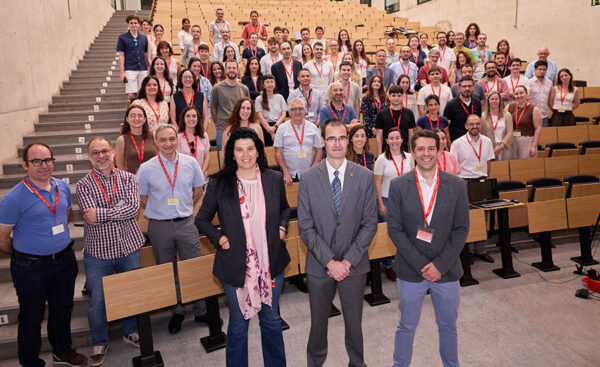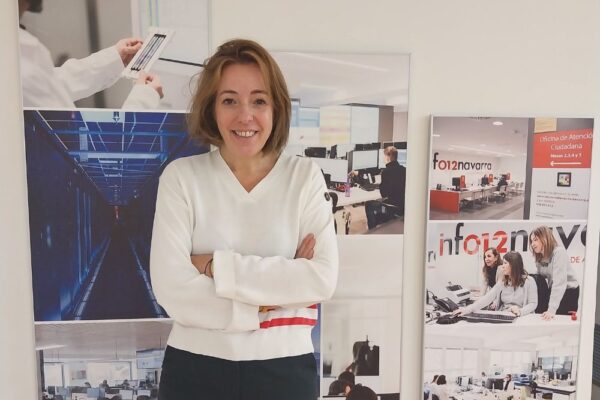
On the occasion of World Stroke Day, the Brain Damage Association of Navarra (Adacen), a member of Navarra Health Cluster, brought together companies and knowledge centres on October 29 at its centre with the aim of addressing Technologies for the rehabilitation of brain damage and promoting technology transfer in our sector. This day was the opportunity to meet Andrés Ilundáin, manager of the association, to talk about the work history and the challenges of the structure, which celebrates its 30th anniversary this year.
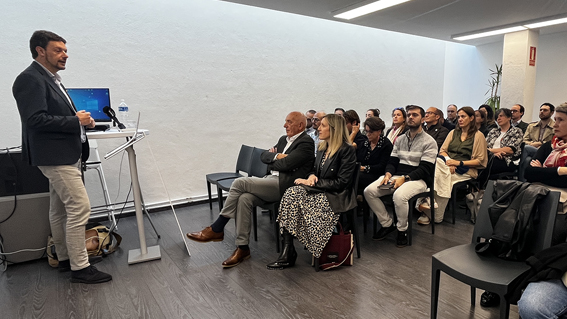
Can you introduce Adacen and the way your organisation works?
Adacen is the brain damage association of Navarra, a non-profit organisation specialising in the after-effects of acquired brain damage. Like many social entities, the association was founded by families of people affected by brain damage due to the lack of resources available at that time. It grew in resources, first in the area of physiotherapy and social work and later on different disciplines such as neuropsychology, occupational therapy, speech therapy have been incorporated, thus forming a multidisciplinary team that has been working with a comprehensive view of the user and his family for 30 years. In 2003, the Mutilva centre was created, where we are currently attending to 31 people in a day centre with places arranged with the Government of Navarre, as well as a small residence, also arranged, with 9 places plus an emergency room. In addition, we have another outpatient resource where we attend to another 60 people with a multidisciplinary team and with different intensities. We also provide services in Tudela in premises that we share with other disability organisations, where we attend to 20 people a week.
In terms of the main causes of brain damage, we should highlight traumatic brain injury and stroke. In recent years, we have seen a significant increase in the number of people affected by stroke, and it is now the main sequelae of brain damage. We work through the Living Lab methodology that puts the person with disability in the centre of attention and decision to find between the different agents, such as research centres, universities, companies, Adacen professionals, a solution to a need/challenge that we are not covering and that we see necessary to attend in order to improve the quality of life of the user. In this sense, it is worth mentioning that Adacen belongs to the European network of living labs through its Neurolab.
As an organisation, we are characterised by two fundamental principles: the philosophy of person-centred care, and innovation with an important technological component and a transformational and social character. We are the only social entity in Navarre that belongs to the Navarre R&D&I System (SINAI), which allows us to develop new R&D projects with research centres, technology centres, universities and companies. We are interested in generating collaboration networks because it is fundamental to advance as a society and that is why we are part of Navarra Health Cluster.
Innovation was at the heart of the day you organised to commemorate World Stroke Day. How do new technologies impact neurological rehabilitation?
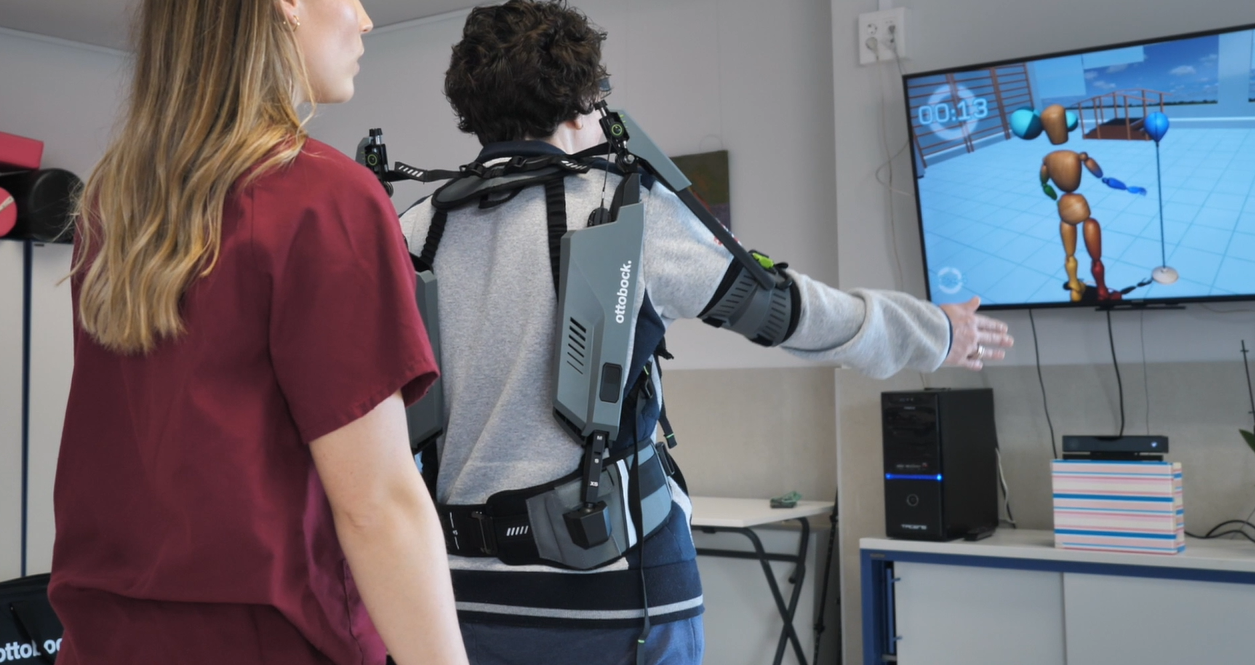
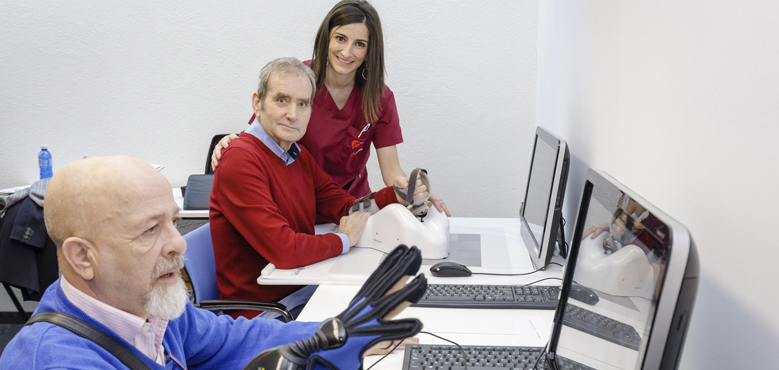
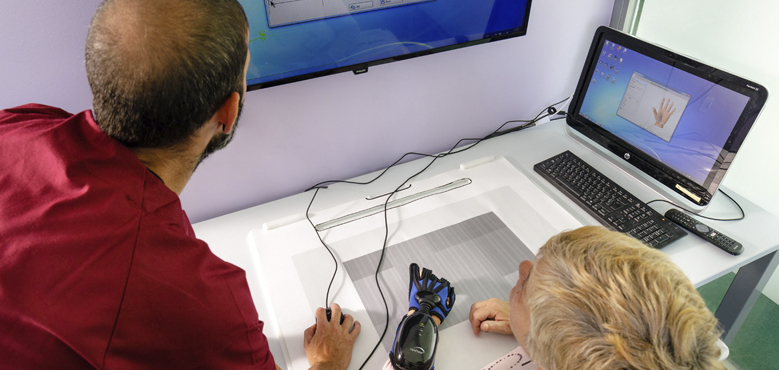
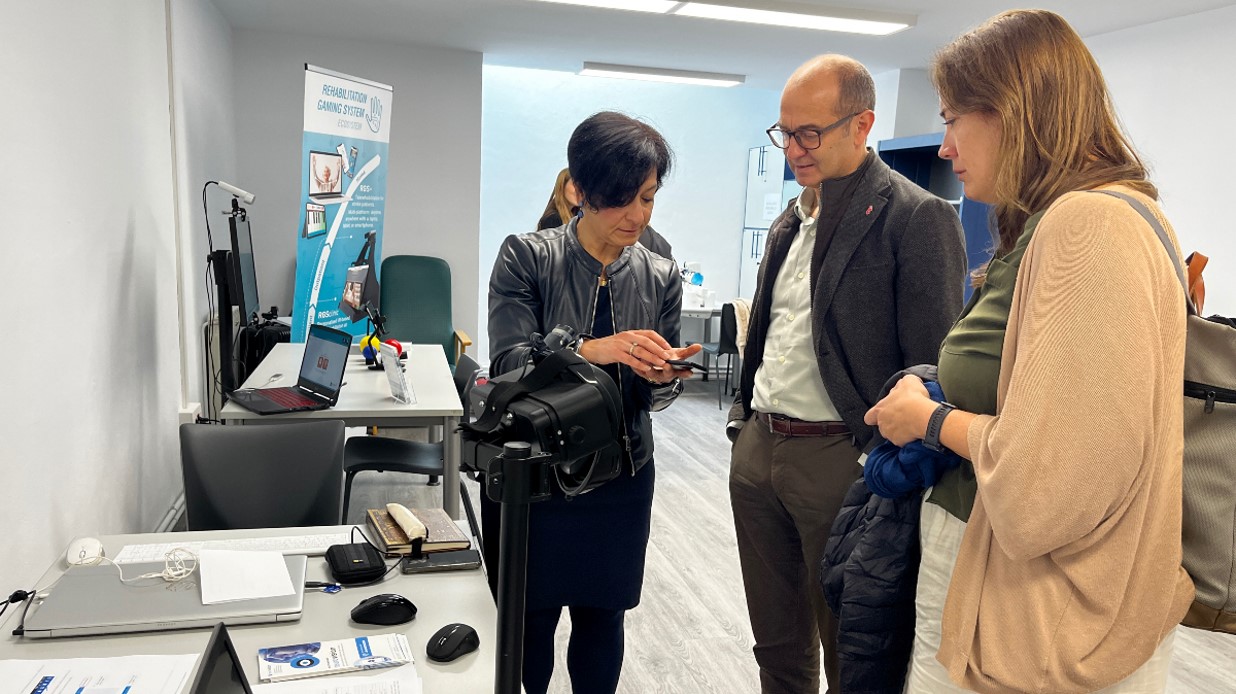
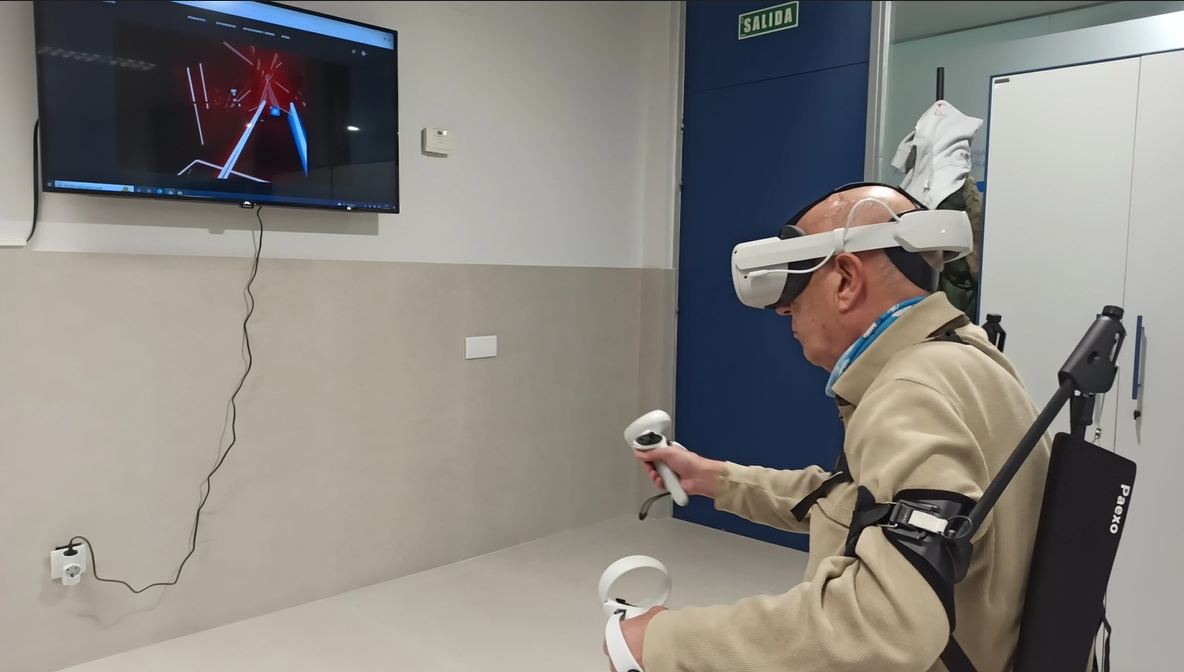
In Adacen, we use several types of technologies: robotics, electrostimulation and virtual reality. For us it is important that this technology is accompanied by gamification to motivate the users, and also offer the possibility to collect data that we can analyse and see if the rehabilitation is going in the right direction. On the day we organised to celebrate our 30th anniversary and World Stroke Day, we wanted to show a showroom of technologies that we are already using in the centre, but also of new trends in the neurological rehabilitation market. We would like to develop in a next project the measurement of brain activity to understand what happens in the brain during the rehabilitation process. The current trend is to identify the alternative pathways that the brain uses once the usual ones have been broken due to a stroke or trauma, in order to continue developing its functions, through stimulation with helmets with electrodes, and to combine this knowledge with technologies such as robotics. We were able to see one of these examples in the showroom: an upper limb exoskeleton for people suffering from hemiparesis (paralysis of a limb) that uses a helmet with electrodes to detect the user’s intention to move the affected limb and thus send a signal to the exoskeleton to move the affected arm. These are very promising technologies that are still under development and for which we need studies with a large number of patients to give more veracity to the results, but it is the future. In the end, the brain is the great unknown for the human being.
These technologies open up ‘fascinating possibilities’, as you remarked in your opening speech, and their adoption is necessary to offer new therapies to patients. What other priorities are you setting for improving people’s care and quality of life?
Another important issue for us is to raise awareness of brain damage. According to studies by neurologists, 80% of strokes are preventable because they depend on modifiable factors, such as hypertension or cholesterol. The old saying ‘Prevention is cure’ is very true and here we need the Government of Navarre to support prevention campaigns. For Adacen, prevention is a very important area, we collaborate for example with Mutua Navarra through the risk prevention services of the companies giving talks on stroke prevention and prevention of traffic accidents. But taking advantage of the fact that we are working on a new Health Law and the new Health Plan of Navarra, we would like stroke to be addressed by means of a strategic plan as it is becoming more and more relevant, and which in turn guarantees that the person who has suffered a stroke and their family are taken into account from the first moment of care, in order to improve their treatment and quality of life.