Medical Open World is a non-profit organisation based in Navarre that works to improve the survival of premature babies in resource-limited settings through the development and deployment of low-cost neonatal incubators. In line with its commitment to collaboration and innovation in healthcare, the organisation has recently joined Navarra Health Cluster, strengthening its connection with the Navarrese health ecosystem.
The project is led by Pablo Sánchez Bergasa, founder and director of the organisation, whose work has been recognised with the 2025 Princess of Girona Social Award for the social impact of his initiative and its contribution to saving lives in the field of global health.
Navarra Health Cluster spoke with Pablo Sánchez Bergasa to learn more about the origins of Medical Open World, the project’s journey, and the key challenges and next steps to scale its impact.
How did the project originate?
Medical Open World is an NGO that manufactures baby incubators for developing countries. The project began in 2015 after recognising the situation faced by premature babies in many of these regions. It originated from a group of professors and volunteers from CEU San Pablo University in Madrid, who travelled to Sierra Leone and found that many hospitals lacked incubators. When a premature baby is born weighing less than one kilogram, hospitals are often forced to give up on saving the child due to the lack of appropriate care equipment.
After that experience, they proposed that a master’s student develop a low-cost incubator. He created a prototype as his final master’s project in 2016. I learned about the initiative a few months later, and we began collaborating to explore how to turn it into a reality. We then worked on building a minimum viable product that could safely accommodate a baby. I eventually took the lead on the project, and in 2019 we founded the NGO. In 2020, we began manufacturing incubators in collaboration with Salesian vocational training centres across Spain, and since then, we have started delivering them to hospitals.
The first incubator, IncuNest, was installed in a hospital in Cameroon. The first baby placed inside it was the most extreme case we have recorded: weighing just 500 grams, the medical team decided to give the child a chance.
Minutes passed, then hours and days, and after six weeks we received photos of Zoé — the baby who had survived and whom they called “a small miracle.”
Today, we have 240 incubators deployed across 37 countries — mainly in Africa, but also in Latin America and Asia — and nearly 5,000 babies have been cared for using our incubators. Now, the challenge is to scale the project in order to help save the 1.5 million premature babies who die each year due to lack of access to available incubators.
Can you explain what makes IncuNest different?
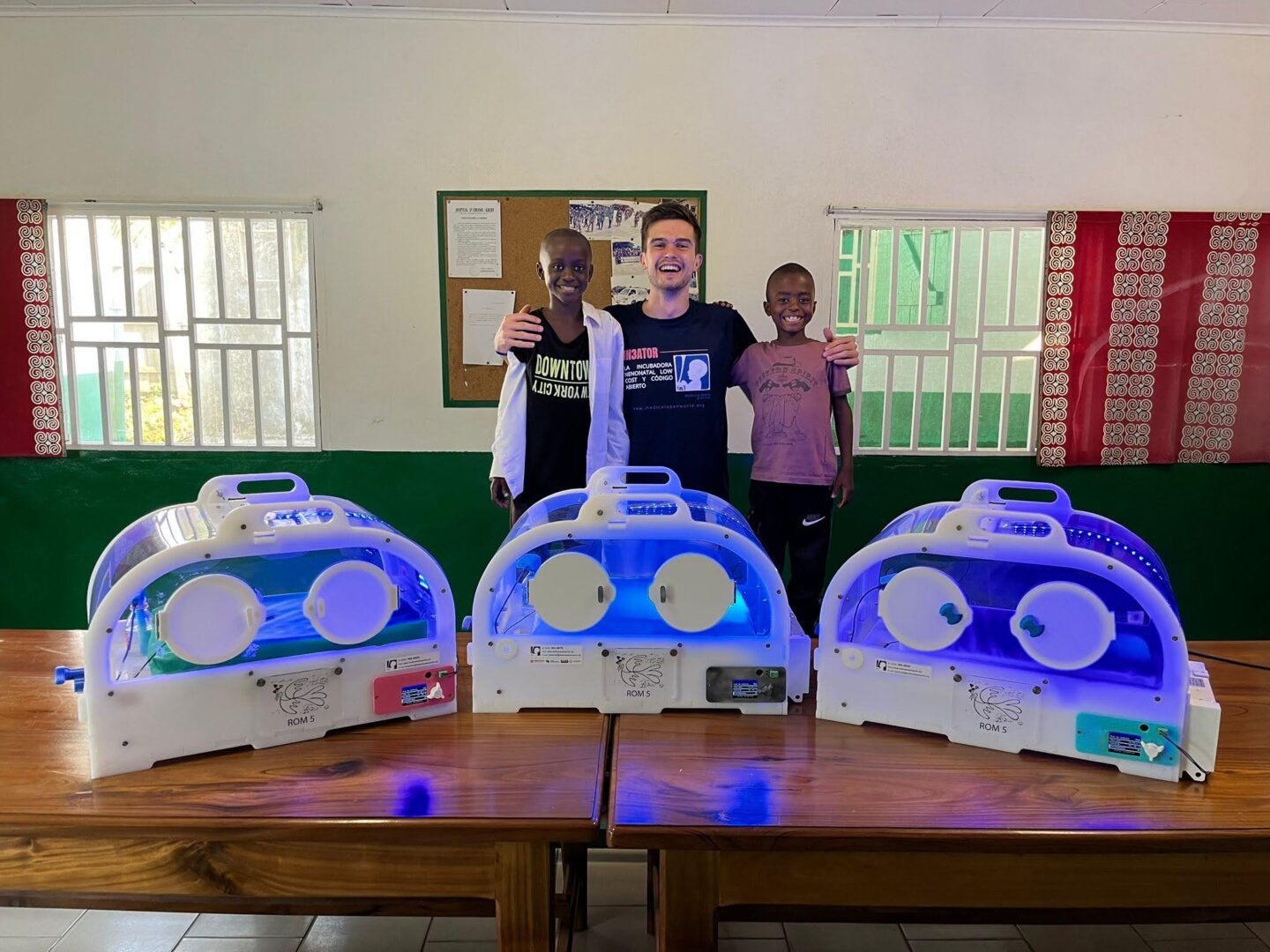
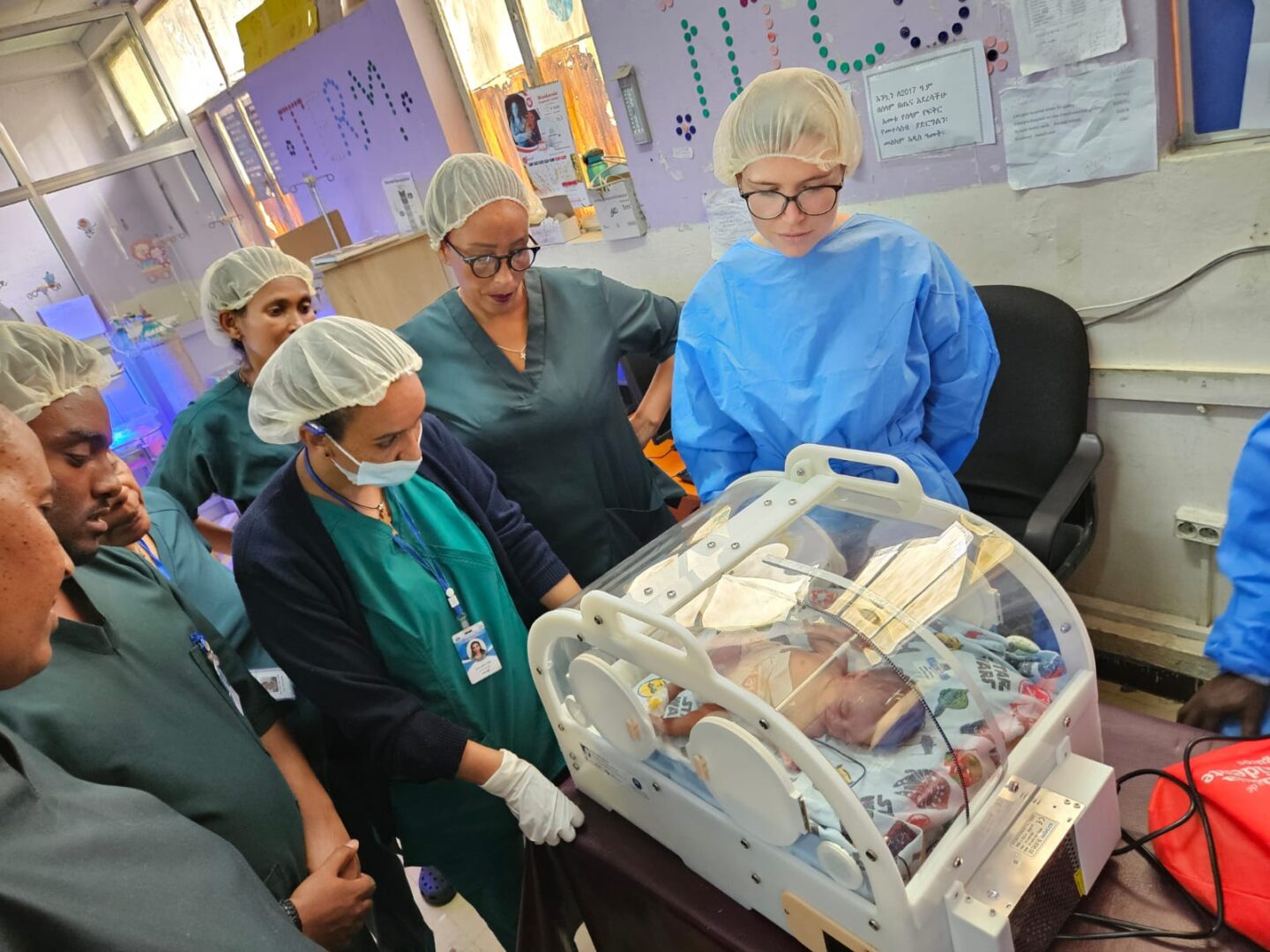
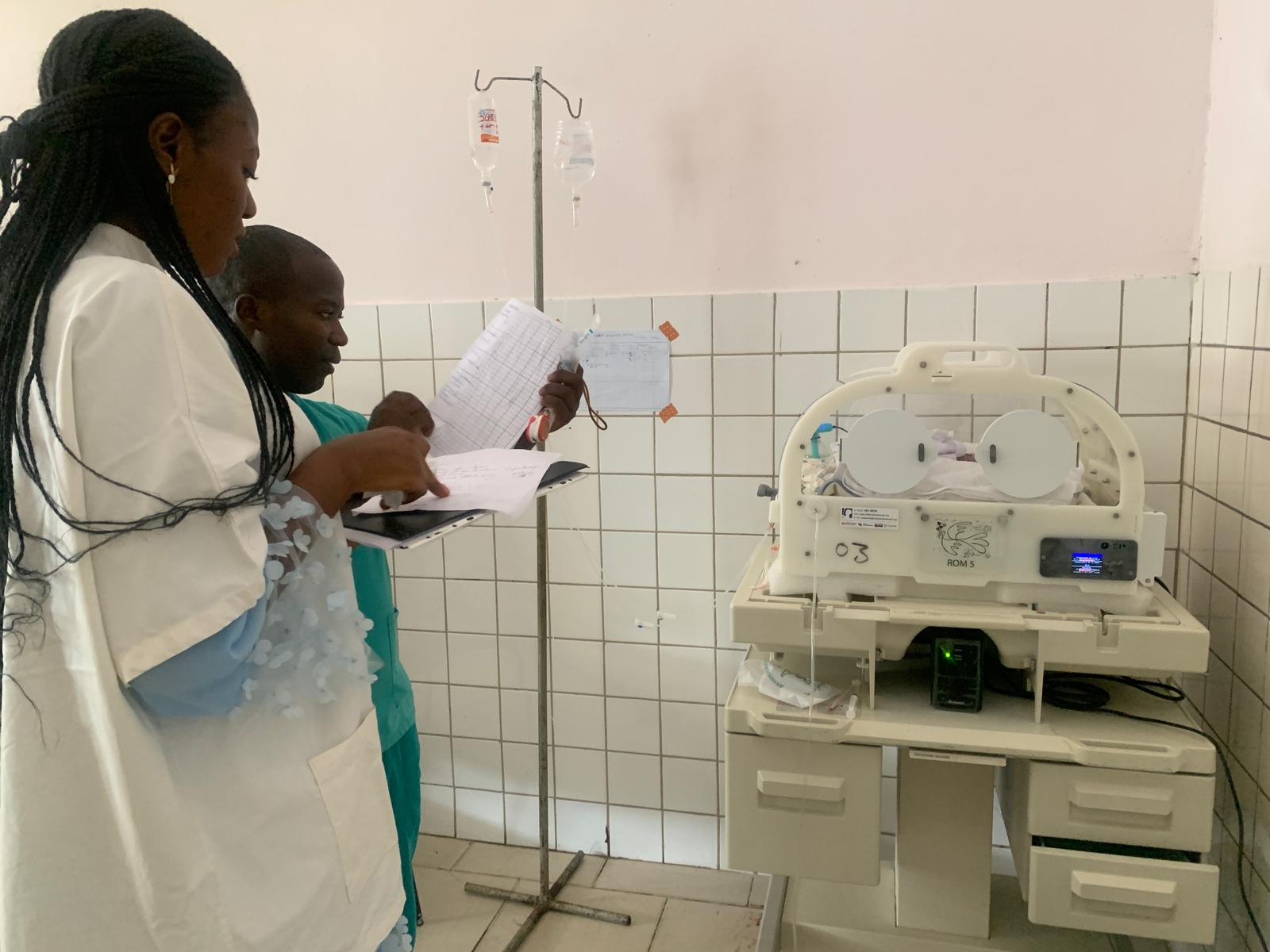
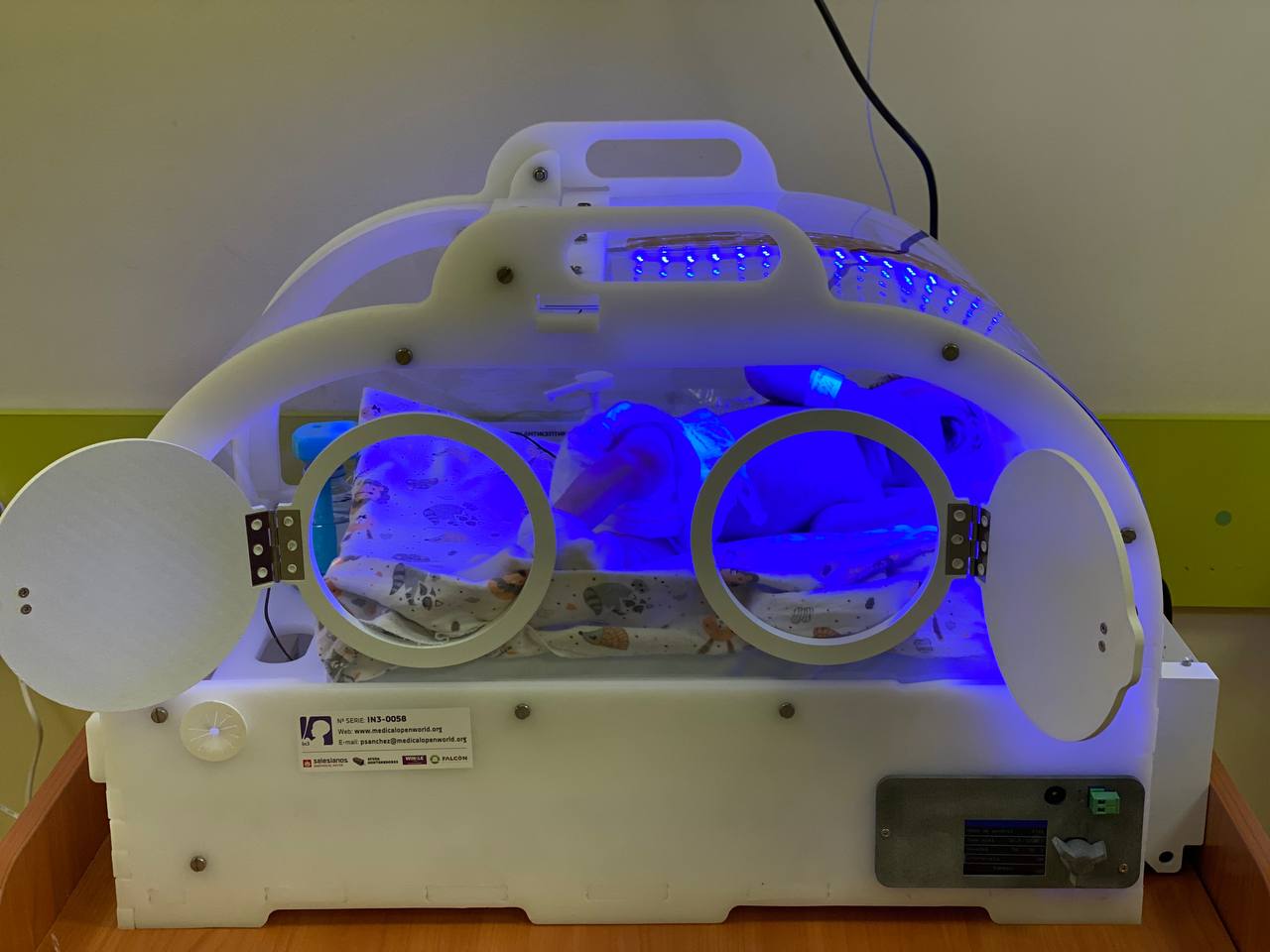
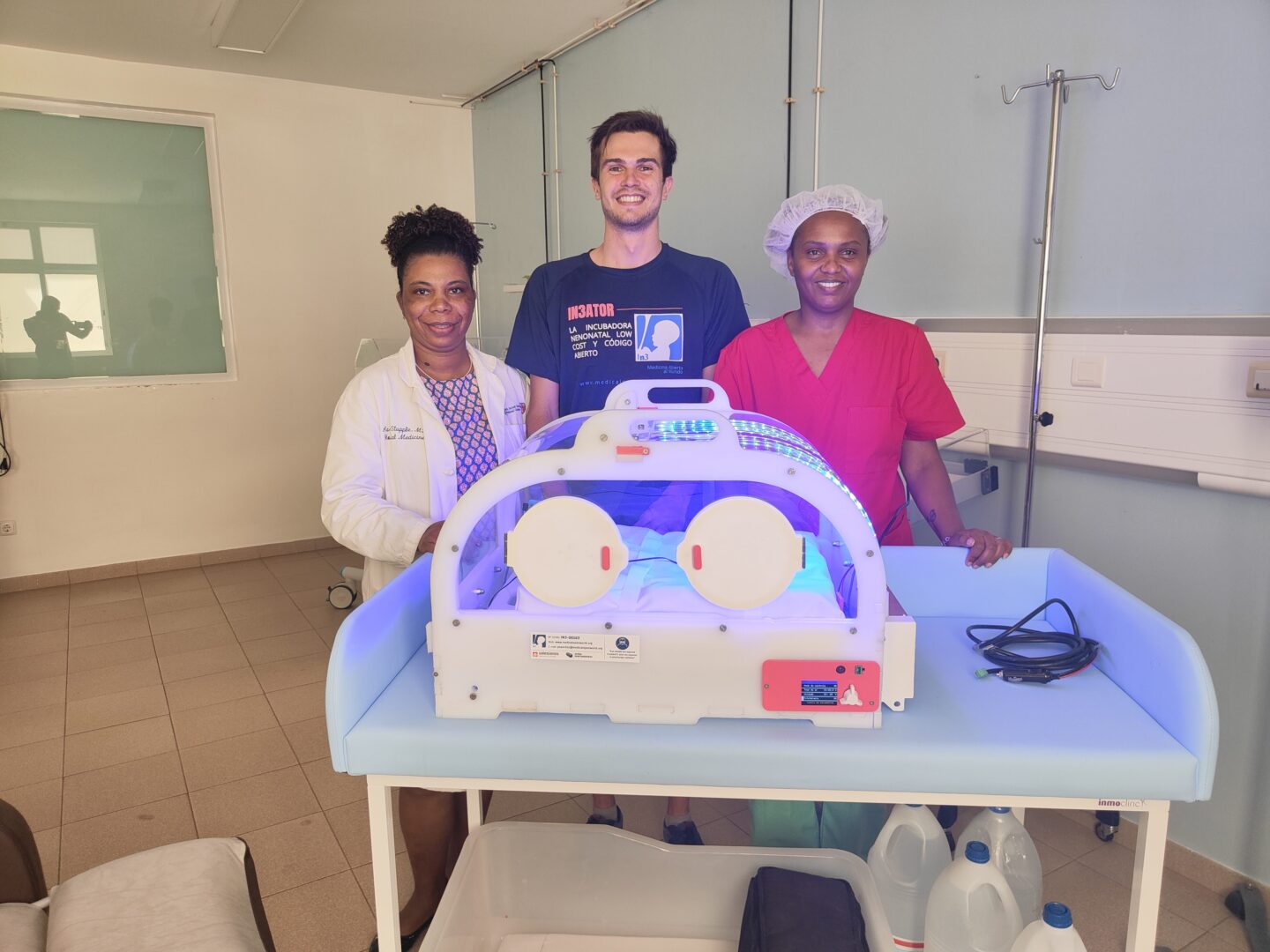
Commercial incubators cost around €35,000 and must meet very strict and costly certification requirements in Europe. We wanted to design a simpler version, with essential functionalities, that could serve as a real alternative where there is currently nothing available. IncuNest is a simple, open-source incubator: it provides heating, humidification and phototherapy treatment for a very common condition, neonatal jaundice. The material cost is around €350 and, as we build a more professional structure, we have increased the price to €1,500 to create a support fund that helps NGOs with limited resources equip themselves. In addition, we also offer internet-connected incubators, enabling remote support whenever needed.
Commercial incubators are difficult to transport, whereas IncuNest has been designed to fit into a suitcase or a box that can be carried as luggage. They are shipped disassembled and, once at the hospital, can be assembled “like Lego” in just 20–25 minutes. They are pre-configured for their entire lifespan, with around 50,000 hours of operation without maintenance.
At what stage is the project currently, and what are the next challenges?
On the one hand, we have a significant waiting list for incubators: there are 240 currently in operation worldwide and another 230 on the waiting list. We need to move forward with production and deliver them to their destinations. This is our main challenge for 2026: to double in one year what we have achieved over the past ten years. Step by step, we need to scale up production and build more partnerships with NGOs to reach more locations — even the most remote — and work with local people who know the context on the ground.
On the other hand, we face a major funding challenge. To address it, we are exploring collaboration opportunities with companies, both through sponsorships and team-building initiatives. We will soon launch a new product to help raise funds: a toy called IncuTwin, a kind of “twin incubator”. These small toy incubators will be connected via the internet to the real incubators in use and will light up when a baby is placed inside. In this way, they provide a tangible expression of collaboration and commitment to the project.
At the same time, we are working to learn and consolidate the project at this stage. I come from the industrial sector and, for that reason, I decided to join Navarra Health Cluster: to better understand how the health sector works — even though our beneficiaries are in other continents — to gain insight into the European ecosystem, and to identify key factors to scale the project with a more solid structure. We are also looking to strengthen networking and connections with companies, as building partnerships is essential to make the initiative more scalable, more robust and more effective.
Another key challenge this year is to professionalise the project. We started with a volunteer-based model, and I am very grateful for all the support received from the beginning, but to scale effectively we need a team working full time. The lever to achieve this is to bring more companies on board. Our current collaboration model with Salesian centres has its limits: our goal is to produce thousands of incubators each year, and to do so, we will need to rely on additional industrial partners.
By the end of 2025, I aim to secure €1.5 million in funding to further develop the NGO and obtain European certifications, which could open up many new opportunities.