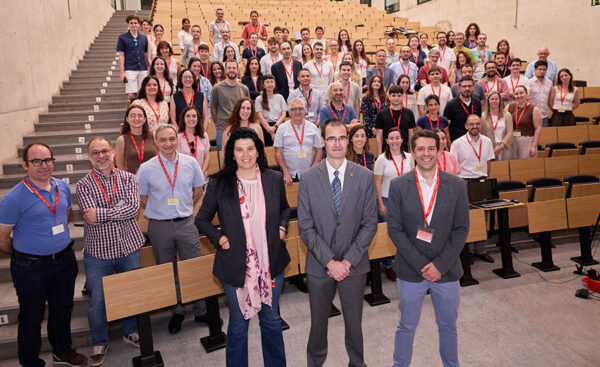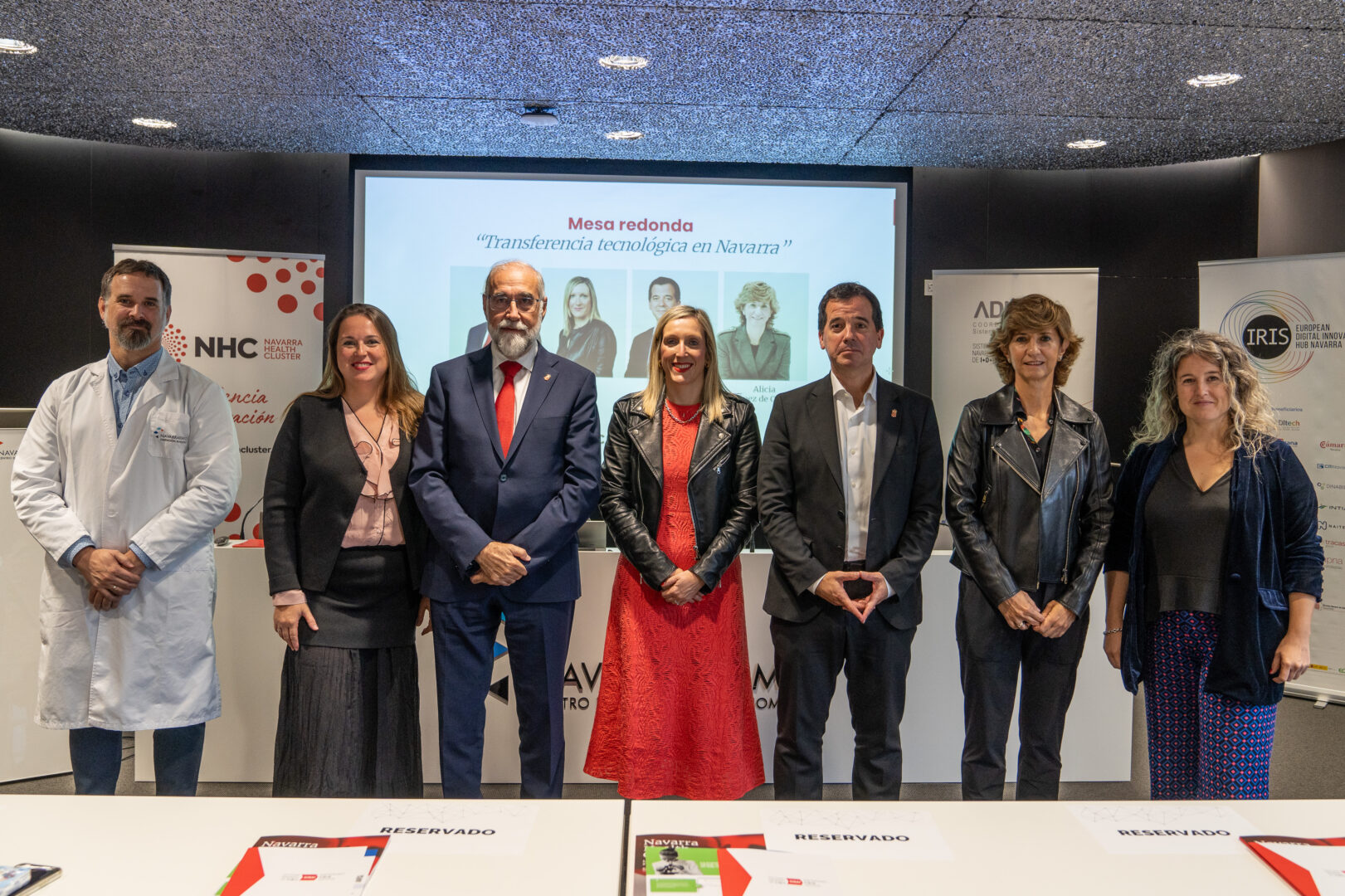
More than 80 professionals from knowledge centers and companies in the biomedical sector attended the first Navarre health sector meeting, focused on technology transfer, organized by Navarra Health Cluster (NHC) and ADItech, the Coordinator of SINAI, the Navarre RDI System, at the headquarters of Navarrabiomed. The scientific-technological capabilities of the public and private entities of the SINAI that work in the generation of knowledge and its transfer in Navarre were presented at the conference. A “crucial process that needs more investment in RD to convert research into industrial innovation and direct benefits for patients” in the words of Laura Corcuera, Managing Director of NHC. The event was also attended by the Regional Minister of Health, Fernando Domínguez, the Regional Minister of University, Innovation and Digital Transformation, Patricia Fanlo, and the Regional Minister of Industry, Ecological Transition and Digital Business, Mikel Irujo.


Technology transfer defines the process by which knowledge, technologies or methods are transferred so that they become accessible and can be developed and exploited in the form of new products, processes, applications, materials or services. In her speech, Laura Corcuera recalled that “it is necessary to convert research and innovation into tangible economic and social benefits, and in our sector in particular, into direct benefits for patients”. “However, it is accompanied by challenges that we have not yet resolved. Spain in general and Navarre in particular are regions of high scientific production, but there are significant difficulties in transforming that knowledge into industrial innovation. Investment in RD is always perceived as insufficient and we lack an entrepreneurial mentality,” he pointed out.
The challenges faced by the sector were the central theme of the round table discussion, which included the three regional ministers and was moderated by Alicia López de Ocáriz, president of NHC.
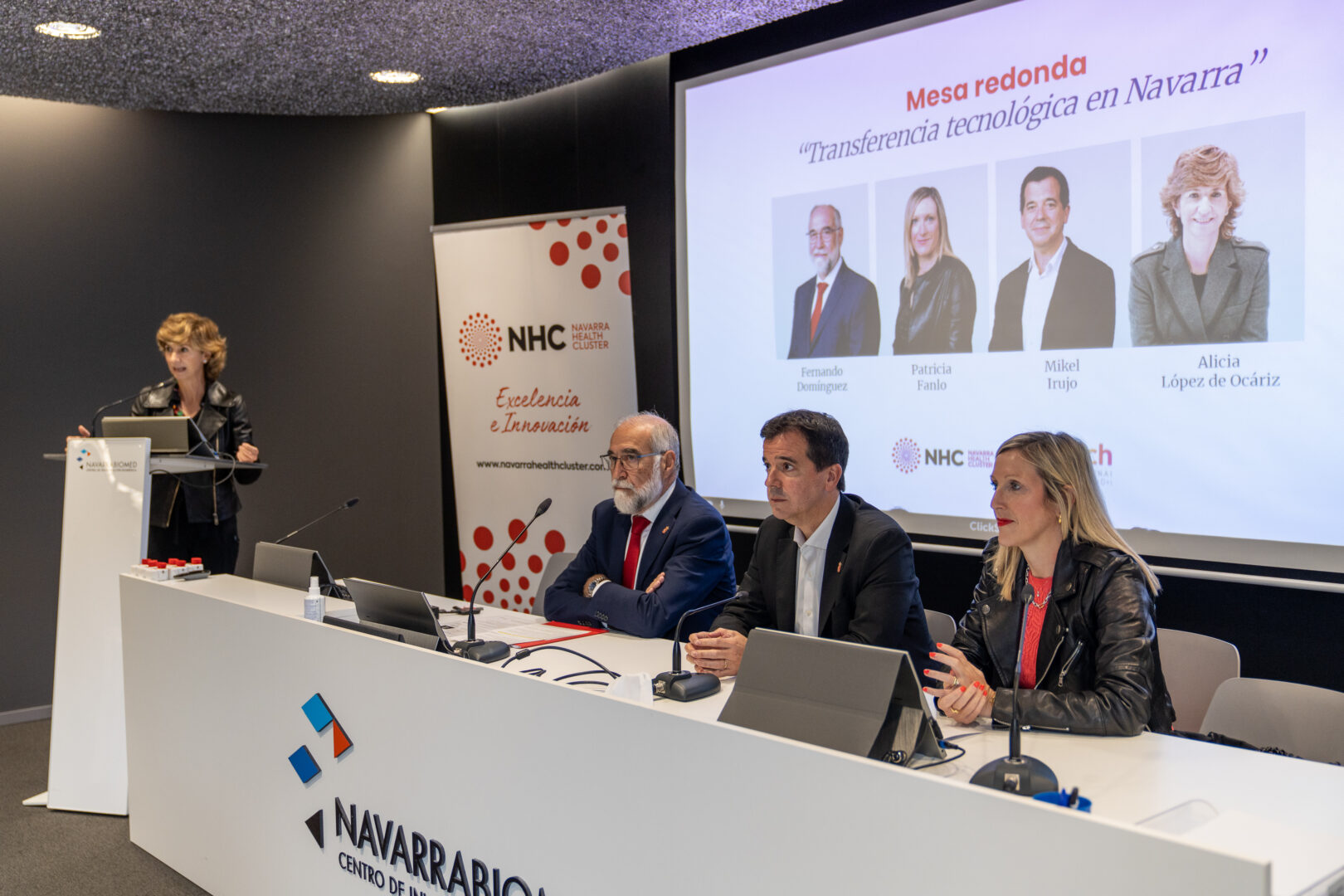
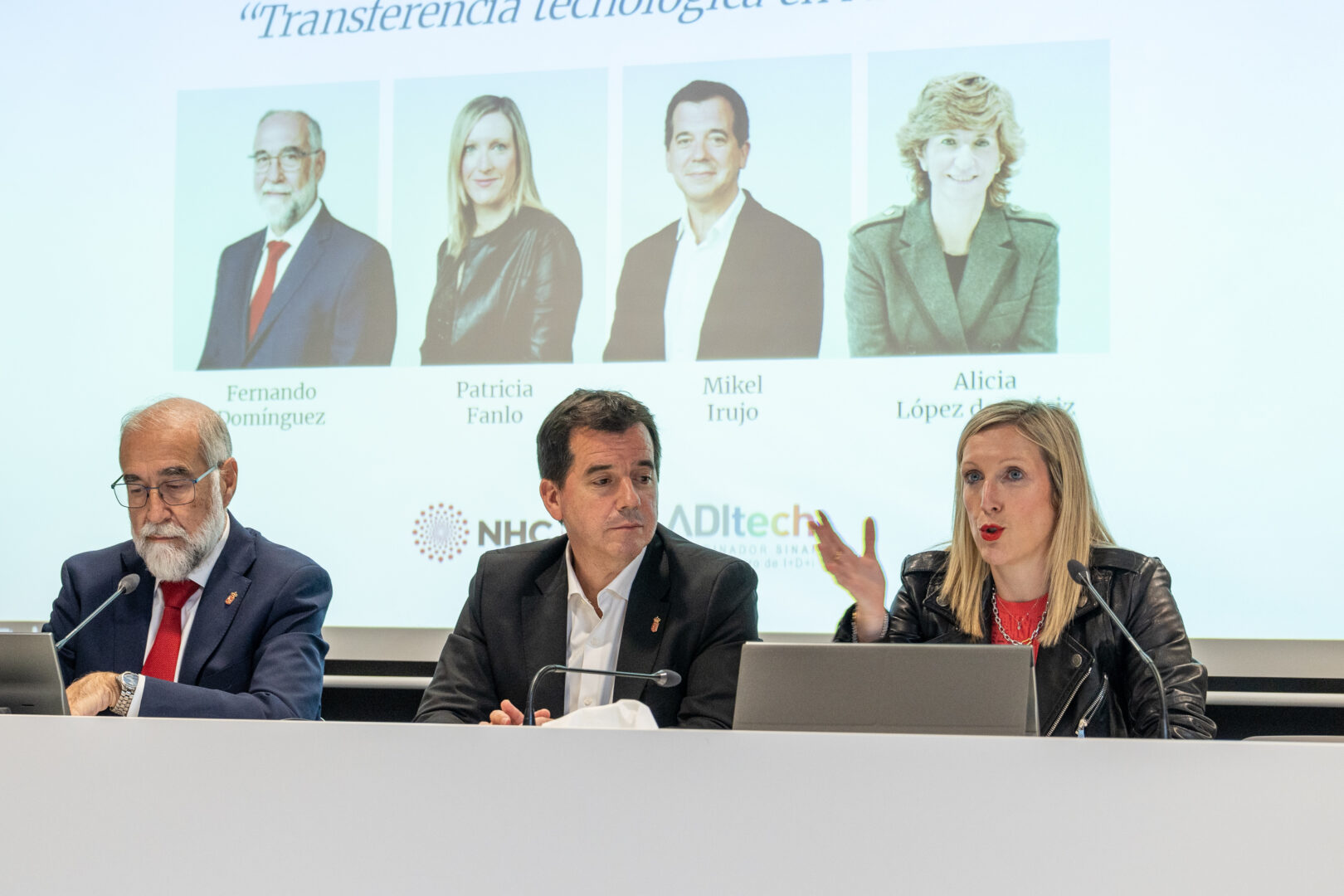
The Regional Minister Fanlo pointed out the importance of the Navarra Health Cluster in the Personalized Precision Medicine Strategy “as an engine for the transfer of knowledge to companies”. “This strategy is being supported by the Regional Government to personalize Navarre and its medicine, as well as to promote regional specialization and position the region as a leader and model in Personalized Medicine,” she said. Likewise, Fanlo pointed out that one of the main challenges of his department for the future is the use of Artificial Intelligence (AI) in the management of healthcare data.
For his part, Regional Minister Irujo stressed that “greater alignment between the agents of the Navarre Innovation System (SINAI) and companies is not only possible, but could be decisive in consolidating Navarre as a benchmark in healthcare”. In this sense, his department proposes “exploring new topics within the S4, such as digital health and emerging technologies, innovation in biotechnology and research into the silver economy”.
The Regional Minister Domínguez stressed that, in health, ‘we are clear beneficiaries of technology transfer, not only for the product or knowledge created per se, but also for the capacity to attract talent, to generate prestige for our institutions, to attract funds for new projects and, in the specific case of Navarre, where the biomedical, scientific and research conglomerate is so large, also to favour the local economy’.
With regard to the challenges facing the Department of Health and in which industry agents can collaborate, the Regional Minister stated that “in essence, they have remained the same for years: to improve the overall care, diagnosis, treatment and quality of life of our patients”. However, Domínguez recalled that “we cannot lose sight of the fact that this situation is evolving and we are now facing an aging society, with more multi-pathological patients and a lack of professionals in some specialties”. Furthermore, according to his diagnosis, “the new tools and technologies generated open up a new field and a new way of working that reduce reaction times to be able to attend more people in the same amount of time, help professionals in their clinical practice and offer proven results based on scientific efficiency that guarantee the safety and quality that are so highly demanded in healthcare”.
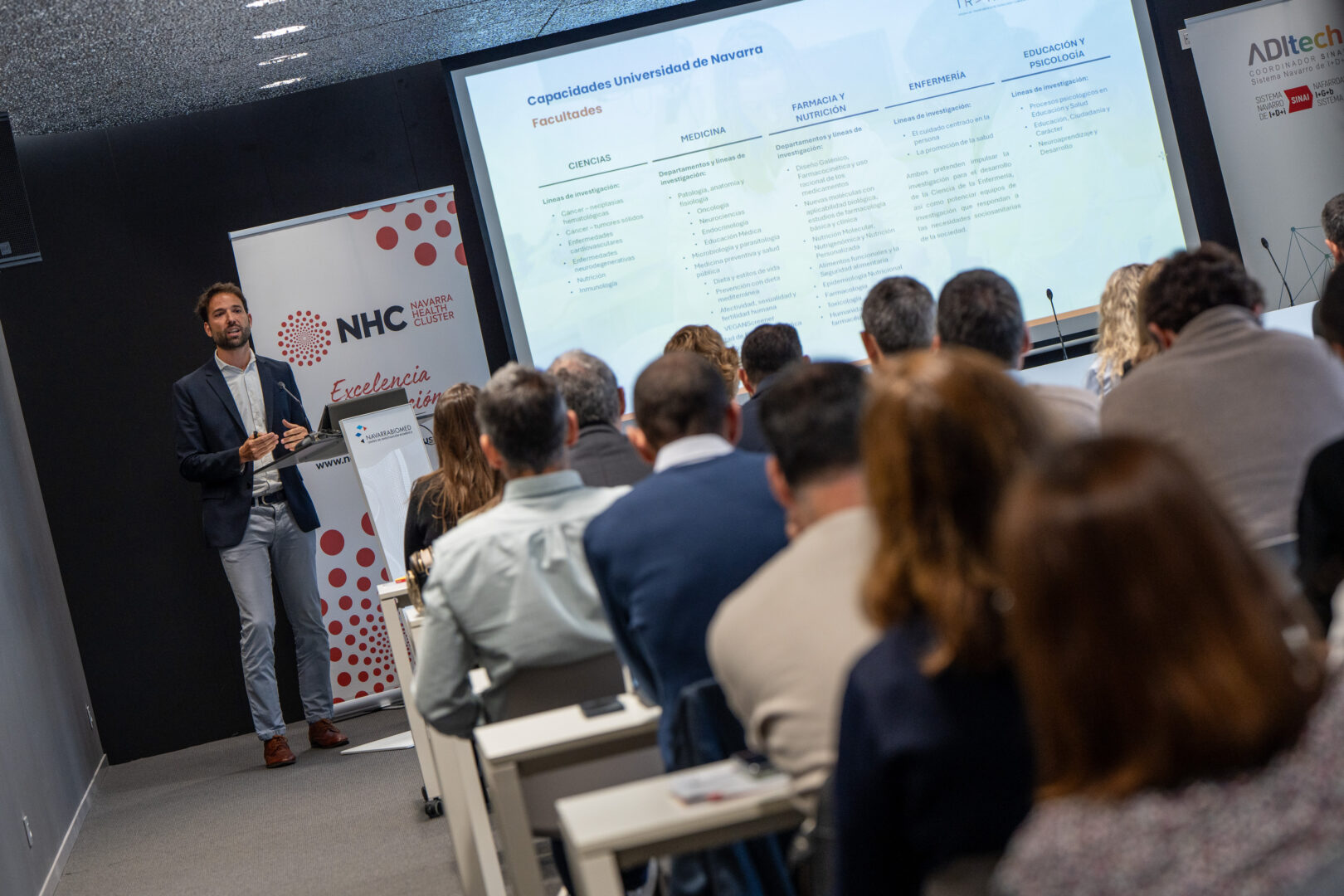
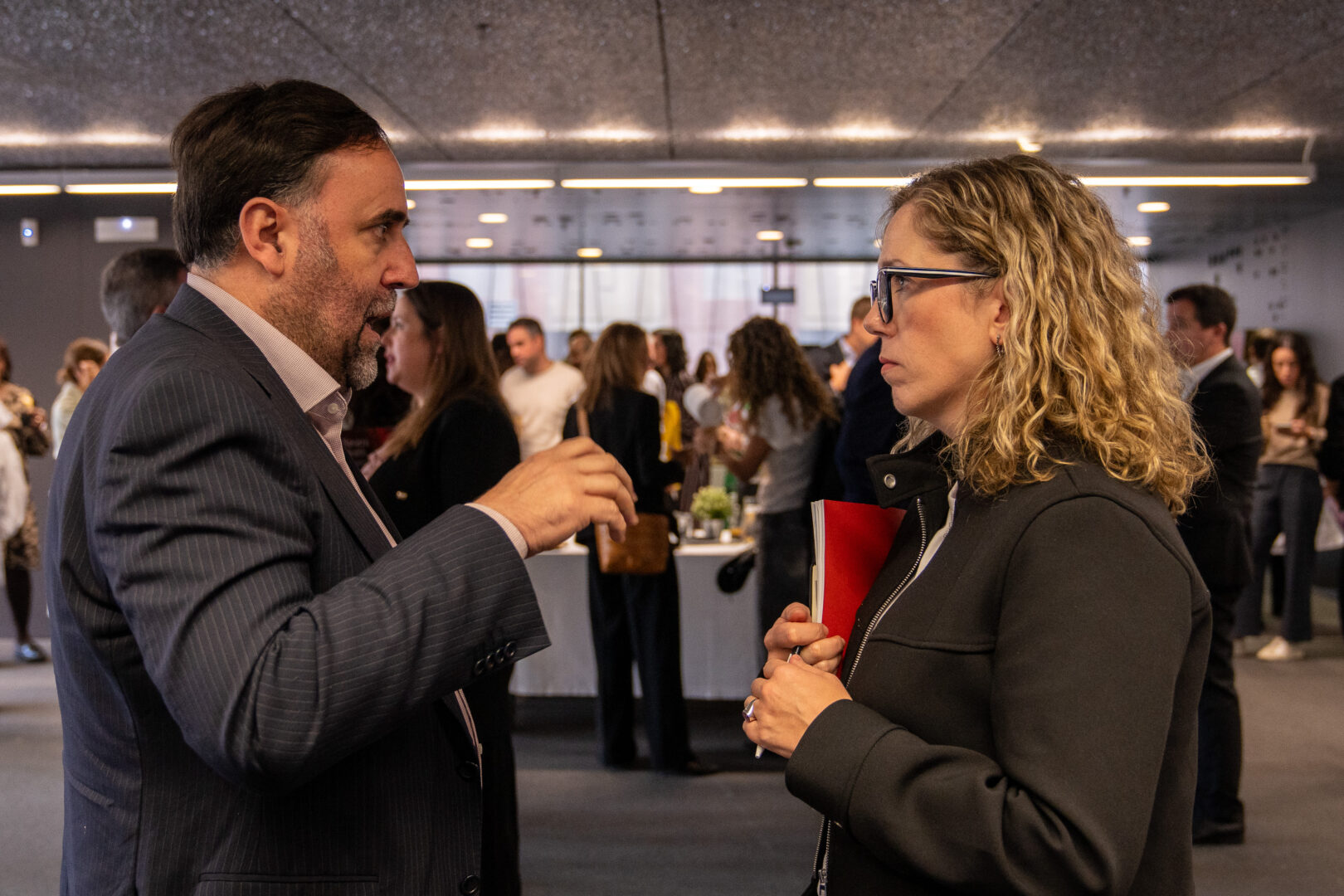
These statements were made in the framework of a unique meeting for the actors of the healthcare value chain in Navarre, which brought together representatives of 11 entities of the Navarre RDI System (SINAI): Navarre Industry Association (AIN), CS Stirling Center, CNTA, IdiSNA, NAIR Center, NAITEC, Nasertic, Navarrabiomed, Universidad de Navarra and Universidad Pública de Navarra, as well as representatives of 34 entities, including companies, patient associations and healthcare centers.
Being mutual knowledge one of the main challenges to favor collaboration between knowledge centers and entrepreneurial entities, Navarra Health Cluster, the largest alliance in health and biosciences in Navarre, and ADItech, the coordinator of the Navarra RDI System, organized this conference to give a complete overview of the capabilities and technologies in health with a “Ready to transfer” approach in several strategic sectors: pharma, biopharma, biotech, medtech, and digital health.
After the presentations made by each center, the participants had the opportunity to schedule meetings to deepen the transferable products and projects. All the available knowledge and technology are gathered in the SINAI Agents in Health Capabilities Guide, made available to NHC partners.
This event is financed by the EDIH project, within the collaboration agreement established with ADItech.